Dr. Vodder’s Manual Lymph Drainage: A Practical Guide ౼ Article Plan

Dr. Vodder’s Manual Lymph Drainage (MLD) offers a comprehensive exploration of this gentle technique‚ detailing anatomy‚ physiology‚ and practical application for optimal wellness.
Manual Lymph Drainage (MLD) represents a specialized massage technique gaining prominence within physical therapy and holistic wellness practices. Distinguished by its remarkably gentle approach‚ MLD focuses on stimulating the natural lymph flow throughout the body. The Vodder technique‚ pioneered by Dr. Emil Vodder‚ is a foundational and widely utilized method.
This gentle therapy aims to redirect fluid‚ reducing swelling and supporting the body’s natural detoxification processes‚ offering a non-invasive approach to health and wellbeing.
The History of Vodder Technique
The Vodder Technique originated in the 1920s with Dr. Emil Vodder and his wife‚ Estrid‚ in southern France. Initially‚ their focus was on addressing swollen lymph nodes stemming from frequent respiratory infections. Through observation and experimentation‚ they developed a unique‚ gentle massage approach to stimulate lymphatic drainage.
This innovative method laid the groundwork for modern MLD‚ establishing a holistic tradition centered on natural healing and the body’s innate capacity for self-regulation.
2.1 Dr. Emil Vodder: The Pioneer
Dr. Emil Vodder (1896-1986) is recognized as the founder of Manual Lymphatic Drainage. His pioneering work began with observing the lymphatic system’s role in immune function and fluid balance. He noticed that gentle massage could significantly reduce swelling in lymph nodes affected by respiratory infections.
Dr. Vodder dedicated himself to refining this technique‚ establishing the foundational principles still used in MLD today‚ and promoting its therapeutic benefits.
2.2 Estrid Vodder: Collaboration and Development
Estrid Vodder was an integral partner in the development of Manual Lymphatic Drainage alongside her husband‚ Dr. Emil Vodder. Together‚ they embarked on a journey of natural healing in southern France during the 1920s‚ meticulously observing and refining the technique.
Her collaborative spirit and dedication were crucial in establishing the Vodder technique as a recognized and effective therapeutic approach.
Understanding the Lymphatic System
A thorough understanding of the lymphatic system is paramount for effective Manual Lymph Drainage (MLD). This network‚ comprised of vessels‚ nodes‚ and tissues‚ plays a vital role in fluid balance‚ immune function‚ and waste removal.
Knowledge of its anatomy and physiology—including lymph and the interstitium—is essential for practitioners to skillfully apply the Vodder technique and address lymphatic imbalances.
3.1 Anatomy of the Lymphatic System
The lymphatic system’s anatomy encompasses initial lymph capillaries‚ larger vessels‚ and lymph nodes strategically positioned throughout the body. These nodes filter lymph‚ housing immune cells. Vessels transport lymph‚ a clear fluid‚ returning it to the bloodstream.
Understanding this intricate network – crucial for Manual Lymph Drainage – allows practitioners to effectively target specific areas and facilitate optimal fluid flow using the Vodder technique.
3.2 Physiology of Lymph and Interstitium
The interstitium‚ the space between cells‚ is where fluid exchange occurs. Lymph forms from this interstitial fluid‚ collecting waste products and proteins. Its physiology involves crucial roles in fluid balance‚ immune function‚ and fat absorption.
Dr. Vodder’s Manual Lymph Drainage directly impacts this system‚ gently encouraging lymph flow and supporting the body’s natural detoxification processes‚ optimizing interstitial health.

Lymphedema: Causes and Types
Lymphedema arises from lymphatic system dysfunction‚ causing fluid buildup and swelling. Primary lymphedema is rare‚ stemming from congenital lymphatic malformations. Secondary lymphedema‚ more common‚ results from damage—like surgery or infection—disrupting lymph flow.
Dr. Vodder’s Manual Lymph Drainage offers a non-invasive approach to manage lymphedema symptoms‚ promoting fluid reabsorption and reducing swelling‚ improving patient quality of life.
4.1 Primary Lymphedema
Primary lymphedema is a rare‚ inherited condition resulting from maldevelopment of the lymphatic system. It can manifest at birth (congenital) or develop later in life‚ often before age 35. Dr. Vodder’s Manual Lymph Drainage can play a supportive role in managing symptoms.
Though not a cure‚ MLD helps optimize the function of existing lymphatic pathways‚ reducing swelling and improving comfort for individuals with this challenging condition.
4.2 Secondary Lymphedema
Secondary lymphedema arises from damage to a previously normal lymphatic system‚ often due to surgery‚ radiation therapy‚ infection‚ or trauma. It’s far more common than primary lymphedema. Dr. Vodder’s Manual Lymph Drainage is frequently utilized post-surgery to minimize swelling and promote healing.
MLD assists in redirecting lymph flow around blocked areas‚ reducing congestion and improving overall lymphatic function‚ offering significant relief for those affected by this acquired condition.
Indications for Manual Lymph Drainage
Manual Lymph Drainage (MLD) is indicated for a wide range of conditions involving fluid imbalances. Dr. Vodder’s technique excels in managing post-surgical swelling‚ reducing edema and accelerating recovery. It’s also beneficial for chronic venous insufficiency‚ alleviating discomfort and improving circulation.
Furthermore‚ MLD supports individuals experiencing inflammation‚ fibrosis‚ and certain immune system deficiencies‚ promoting overall well-being through gentle lymphatic support.
5.1 Post-Surgical Swelling
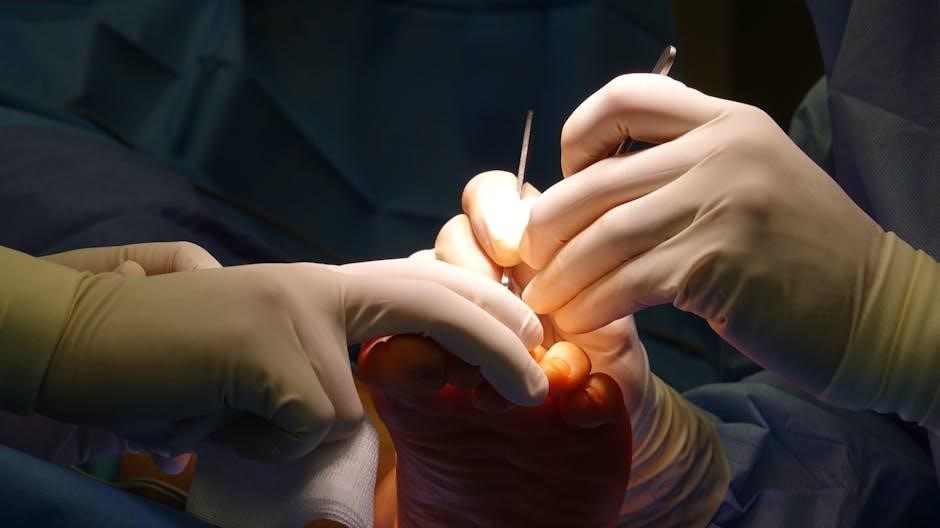
Dr. Vodder’s Manual Lymph Drainage (MLD) is exceptionally effective in managing post-surgical swelling by gently encouraging fluid reabsorption. Following operations‚ lymphatic disruption often leads to edema; MLD helps restore proper lymphatic flow‚ minimizing discomfort and accelerating healing.
This technique reduces bruising‚ alleviates pain‚ and improves range of motion‚ offering a non-invasive approach to post-operative recovery and enhanced patient outcomes.
5.2 Chronic Venous Insufficiency
Dr. Vodder’s Manual Lymph Drainage (MLD) provides significant relief for individuals suffering from chronic venous insufficiency‚ a condition where veins struggle to return blood to the heart effectively. This leads to fluid buildup and swelling‚ particularly in the legs and ankles.
MLD assists in redirecting this excess fluid into functional lymphatic pathways‚ reducing edema and alleviating associated symptoms like heaviness and discomfort‚ improving overall circulation.
Contraindications for Manual Lymph Drainage
Dr. Vodder’s Manual Lymph Drainage (MLD)‚ while generally safe‚ has specific contraindications. Acute infections‚ such as cellulitis or lymphangitis‚ preclude MLD as it could spread the infection. Congestive heart failure requires caution‚ as MLD could overload the circulatory system.
Other contraindications include active cancer‚ thrombosis‚ and uncontrolled hypertension. Careful patient assessment is crucial to ensure MLD is appropriate and safe.
6.1 Acute Infections
Dr. Vodder’s Manual Lymph Drainage (MLD) is strictly contraindicated in the presence of acute infections. Conditions like cellulitis‚ lymphangitis‚ or any active localized infection pose significant risks. MLD’s gentle movements can potentially spread the infectious agents through the lymphatic system‚ exacerbating the illness.
Therefore‚ infection resolution is paramount before initiating MLD treatment to ensure patient safety and prevent complications.
6.2 Congestive Heart Failure
Dr. Vodder’s Manual Lymph Drainage (MLD) presents a contraindication for individuals with congestive heart failure (CHF). The lymphatic stimulation from MLD can increase fluid return to the central circulation‚ potentially overloading an already compromised cardiovascular system.
This increased circulatory demand could worsen heart failure symptoms. Careful medical evaluation and clearance are essential before considering MLD for patients with CHF.
Principles of Vodder Technique
Dr. Vodder’s technique centers on gentle‚ rhythmic movements designed to stimulate lymphatic flow without causing tissue trauma. Key principles include a specific hand position‚ skin stretch‚ and release‚ guiding lymph towards functioning nodes.
These movements follow the natural pathways of the lymphatic system‚ prioritizing gentle encouragement rather than deep tissue manipulation. Precision and sensitivity are paramount for effective drainage.
7.1 Gentle‚ Rhythmic Movements
Vodder technique emphasizes slow‚ repetitive movements mimicking the natural contraction of lymphatic vessels. These gentle strokes‚ applied with light pressure‚ encourage lymph fluid to move along its designated pathways.
The rhythmic nature is crucial‚ creating a “wave-like” action that supports drainage. Practitioners avoid forceful pushing‚ prioritizing a delicate touch to stimulate‚ not disrupt‚ the lymphatic system’s inherent function.
7.2 Skin Stretch and Release
A core principle of the Vodder technique involves gently stretching the skin in the direction of lymphatic flow‚ followed by a slow release. This action opens initial lymphatic vessels‚ creating space for fluid to enter.
The stretch isn’t about pulling skin forcefully‚ but rather a subtle elongation that encourages lymphatic absorption. This precise movement is repeated rhythmically‚ optimizing drainage and minimizing discomfort for the patient.
Effects of MLD on the Body
Manual Lymph Drainage profoundly impacts both the circulatory and nervous systems. MLD enhances lymphangion contraction‚ improving fluid transport and reducing swelling. Simultaneously‚ it influences smooth muscle tone within blood vessels‚ optimizing circulation.
Furthermore‚ the gentle‚ rhythmic nature of the Vodder technique stimulates the autonomic nervous system‚ promoting relaxation and reducing sympathetic dominance‚ contributing to overall physiological balance and well-being.
8.1 Impact on Blood Vessels and Lymphangions
Manual Lymph Drainage directly affects both blood vessels and lymphangions. The gentle movements enhance lymphangion contractility‚ facilitating efficient lymph flow and reducing interstitial fluid buildup. Simultaneously‚ MLD influences the smooth muscles surrounding blood vessels‚ promoting vasodilation and improved circulation.
This dual action optimizes fluid balance and nutrient delivery‚ contributing to reduced edema and enhanced tissue health‚ hallmarks of the Vodder technique’s effectiveness.
8.2 Influence on the Autonomic Nervous System
Manual Lymph Drainage profoundly impacts the autonomic nervous system‚ shifting it from a sympathetic (fight-or-flight) to a parasympathetic (rest-and-digest) state. The gentle‚ rhythmic technique stimulates vagal nerve activity‚ promoting relaxation and reducing stress responses.
This parasympathetic shift enhances lymphatic function‚ reduces pain perception‚ and supports overall physiological balance‚ central to the Vodder technique’s holistic approach to health and wellbeing.
Diagnostic Examination and Edema Measurement
Accurate diagnosis is crucial before initiating Manual Lymph Drainage. A thorough assessment includes visual inspection for swelling‚ skin texture changes‚ and pitting edema. Precise circumferential measurements of affected limbs establish a baseline and track treatment progress.
Dr. Vodder’s technique emphasizes objective data alongside patient history‚ ensuring tailored treatment plans. Careful edema measurement guides therapeutic interventions and monitors the effectiveness of MLD.
9.1 Visual Assessment
Visual assessment in Dr. Vodder’s Manual Lymph Drainage involves observing the patient for signs of edema‚ such as swelling‚ skin discoloration‚ and tissue texture changes. Observing limb symmetry and identifying areas of localized fluid accumulation are key.
Careful observation helps determine the extent and distribution of lymphatic congestion‚ guiding the practitioner in applying appropriate MLD techniques. This initial step informs the overall treatment strategy.
9.2 Circumferential Measurements
Circumferential measurements are crucial in Dr. Vodder’s Manual Lymph Drainage for quantifying edema and tracking treatment progress. Standardized protocols involve measuring limb circumference at specific‚ consistent points.
These objective data provide a baseline and allow for accurate monitoring of fluid reduction following MLD sessions. Consistent measurements demonstrate the effectiveness of the Vodder technique and inform adjustments to the treatment plan.
Basic Massage Techniques in Vodder MLD
Basic massage techniques in Dr. Vodder’s Manual Lymph Drainage form the foundation of effective treatment. Stationary circles gently stretch the skin‚ initiating lymph flow‚ while pump movements direct fluid towards lymph nodes.
These techniques are performed with light pressure and a slow‚ rhythmic pace‚ respecting the body’s natural pathways. Mastering these foundational movements is essential for practitioners utilizing the Vodder technique.
10.1 Stationary Circles
Stationary circles are a core technique in Dr. Vodder’s Manual Lymph Drainage‚ initiating lymphatic flow. These gentle movements involve applying light pressure with the fingertips or palms‚ creating small‚ circular motions on the skin.
The key is to stretch the skin in a circular fashion‚ then release‚ encouraging lymphatic vessels to contract and propel fluid. This foundational movement prepares tissues for deeper drainage techniques.
10.2 Pump Movements
Pump movements in Dr. Vodder’s Manual Lymph Drainage are designed to directly stimulate lymphatic circulation in specific areas. These involve rhythmic compression and release‚ mimicking the natural pumping action of lymphatic vessels.
Typically‚ the therapist uses the palm or fingertips to gently compress a region‚ then releases‚ creating a wave-like effect. This technique is particularly effective in initiating drainage from proximal areas‚ moving fluid distally.
Treatments for Specific Body Parts
Dr. Vodder’s Manual Lymph Drainage adapts techniques to address unique anatomical features of different body regions. Treatments for the head and neck focus on sinus drainage and tension relief.
Upper extremity protocols target lymphatic pathways for arm swelling‚ while lower extremity treatments address leg and foot edema. Trunk treatments aim to improve core lymphatic flow‚ enhancing overall bodily function and fluid balance.
11.1 Head and Neck
Dr. Vodder’s Manual Lymph Drainage for the head and neck prioritizes gentle techniques to stimulate lymphatic drainage around the sinuses‚ reducing congestion and promoting clearer breathing.
Specific movements address swollen lymph nodes and alleviate tension in the jaw and neck muscles. This treatment can also help manage headaches and improve facial skin tone‚ fostering relaxation and overall well-being through targeted lymphatic support.
11.2 Upper Extremities
Dr. Vodder’s Manual Lymph Drainage for the upper extremities focuses on reducing swelling in the arms and hands‚ particularly post-surgical or injury-related edema.
Gentle pumping and circular movements encourage lymph flow from the fingertips towards the axillary lymph nodes. This technique improves circulation‚ reduces pain‚ and restores range of motion‚ aiding in faster recovery and enhanced functionality of the upper limbs.
11.3 Lower Extremities
Dr. Vodder’s Manual Lymph Drainage applied to the lower extremities effectively addresses edema in the legs and feet‚ often resulting from venous insufficiency or post-surgical procedures.
The technique utilizes gentle‚ rhythmic movements‚ directing lymph flow from the distal parts of the legs towards the inguinal lymph nodes. This promotes fluid balance‚ reduces swelling‚ and alleviates discomfort‚ improving mobility and overall lower limb health.
11.4 Trunk
Dr. Vodder’s Manual Lymph Drainage on the trunk focuses on the central lymphatic pathways‚ aiding in detoxification and immune system support. Gentle‚ circular motions are applied to the abdomen and thorax.
This technique encourages lymph flow towards the thoracic duct and right lymphatic duct‚ facilitating the removal of metabolic waste and improving overall bodily function. It can be particularly beneficial for individuals experiencing abdominal bloating or generalized edema.
Special Techniques in Vodder MLD
Dr. Vodder’s Manual Lymph Drainage incorporates specialized techniques beyond basic movements to address complex lymphatic congestion. These include pendulum movements and rotational approaches‚ enhancing lymphatic return.
These advanced methods target deeper lymphatic vessels and nodes‚ optimizing drainage in specific areas. Practitioners adapt these techniques based on individual patient needs‚ maximizing therapeutic benefits and promoting efficient waste removal for improved health outcomes.
Treatment Model for Secondary Lymphedema
The Vodder technique for secondary lymphedema employs a phased approach‚ beginning with decongestive therapy to reduce swelling and improve lymphatic flow. This involves gentle manual lymph drainage‚ compression bandaging‚ and meticulous skin care.
Subsequent phases focus on maintaining reduced limb volume through self-management strategies‚ including continued MLD‚ compression garment use‚ and regular exercise‚ ensuring long-term wellness and preventing recurrence of edema.
Complementary Treatments to MLD
Enhancing the benefits of Manual Lymph Drainage (MLD)‚ complementary therapies play a vital role in comprehensive lymphedema management. Compression therapy‚ utilizing bandages or garments‚ maintains reduced swelling achieved through MLD‚ preventing fluid re-accumulation.
Furthermore‚ targeted exercise programs promote lymphatic drainage‚ while meticulous skin care minimizes infection risk. These integrated approaches optimize outcomes‚ fostering improved patient well-being and long-term health maintenance alongside the Vodder technique.
Self-Care and Maintenance
Sustaining the benefits of Manual Lymph Drainage (MLD) requires diligent self-care. Patients can perform simplified lymphatic drainage exercises at home‚ promoting continued fluid movement and reducing swelling. Consistent skin care‚ including moisturizing and wound prevention‚ is crucial.
Regular self-monitoring for changes in swelling and adherence to compression garment schedules are essential for long-term management‚ empowering individuals to actively participate in their wellness journey alongside the Vodder technique.
The Role of Compression Therapy
Compression therapy is a vital adjunct to Manual Lymph Drainage (MLD)‚ particularly in managing lymphedema. Applying graduated compression garments helps maintain reduced swelling achieved through Vodder technique‚ preventing fluid re-accumulation.
These garments support lymphatic vessels and enhance lymphatic return. Proper fitting and consistent wear are crucial for effectiveness‚ working synergistically with MLD to optimize long-term fluid balance and improve patient outcomes.
Exercise and Lymphatic Drainage
Incorporating exercise is crucial alongside Manual Lymph Drainage (MLD) to enhance lymphatic function. Muscle contractions act as a natural pump‚ aiding lymphatic return and reducing swelling‚ complementing the Vodder technique’s effects.
Low-impact activities like walking‚ swimming‚ and yoga are particularly beneficial. Gradual progression is key‚ avoiding overexertion. Exercise improves overall circulation and supports the body’s natural detoxification processes‚ promoting sustained wellness.
Patient Education and Compliance
Successful Manual Lymph Drainage (MLD) outcomes rely heavily on patient understanding and adherence to the treatment plan. Thorough education regarding the lymphatic system‚ the Vodder technique‚ and self-care practices is essential.
Patients must comprehend the importance of consistent MLD sessions‚ compression garment use‚ and appropriate exercise. Empowering patients with knowledge fosters active participation and maximizes the long-term benefits of therapy‚ ensuring sustained wellness.
Potential Complications and Precautions
While generally safe‚ Manual Lymph Drainage (MLD) requires careful consideration of potential complications. Absolute contraindications include acute infections‚ congestive heart failure‚ and active cancer. Relative precautions involve renal insufficiency and uncontrolled hypertension.
Practitioners must monitor patients for adverse reactions‚ such as increased edema or discomfort. Proper assessment and adherence to contraindications are crucial for ensuring patient safety and maximizing the therapeutic benefits of the Vodder technique.
Current Research and Future Directions

Ongoing research investigates the efficacy of Manual Lymph Drainage (MLD) for diverse conditions‚ including post-surgical recovery and chronic inflammation. Studies explore the impact of MLD on immune function and autonomic nervous system regulation.
Future directions involve refining Vodder technique protocols and integrating MLD with other therapies. Investigating biomarkers to predict treatment response and personalized approaches will further enhance clinical outcomes and broaden applications.
Resources and Further Learning
For comprehensive education on Dr. Vodder’s Manual Lymph Drainage‚ certified training courses are essential. The Vodder School International offers in-depth instruction in the original technique‚ ensuring proper application and safety.
Numerous books and articles detail MLD principles and practices. Online resources‚ professional organizations‚ and continuing education workshops provide ongoing learning opportunities for practitioners seeking to refine their skills and stay current.